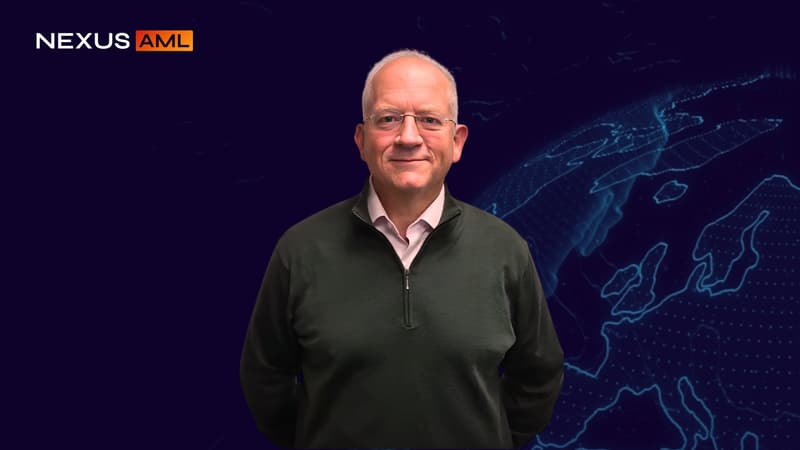
Mark Henry is the founder and CEO of Alloy Wealth, a wealth management firm that provides written financial plans that empower people to live the lives they dream of in retirement. Mark Henry founded Alloy Wealth in 2011, naming the company for an alloy—a mixture of metals that combine to form a material that is stronger than its parts. He aims to help people achieve the goal of Living Large, however they define that term, so they can be in the best possible position to withstand life’s financial ups and downs.
Mark Henry and Alloy Wealth operate under a fiduciary standard when providing investment advisory services, where applicable. He is bound by his personal principles to put the interests of his clients first, Mark Henry provides services through Alloy Wealth designed to help clients pursue long-term financial planning goals while considering market risks. He is inspired by the experience of his father, who saw half of his retirement nest egg disappear during the Black Monday global stock market crash in 1987. Mr. Henry has shared his experience and wealth of knowledge across a variety of media, including podcasts, radio, television, and a YouTube channel. He also does online and in-person speaking engagements.
A Son’s Lifesaving Gift
In all his work, Mark Henry remains grounded in his love for his family and the influence they have had on his life. Not only did his father’s experiences inspire his career, but his son has also had an immense—and literally lifesaving—impact on his life. Mr. Henry’s son donated a kidney to him, providing the gift of life. He now seeks to perpetuate this generosity, paying it forward as he works with clients to help them live their best lives.
Despite a busy schedule as a financial expert and media personality, Mr. Henry had lived with diabetes for several years. He had been prescribed several different medications, but despite the interventions, he developed chronic kidney disease (CKD). The disease progressed to stage 5, and his kidneys were failing. A transplant was the only option.
Mr. Henry’s 28-year-old son, Hunter, quietly got tested to see if his kidneys were a match for his father, and found that they were. When Mr. Henry found out what his son intended to do, he did not want to accept the organ donation, as he didn’t want his son to suffer on his behalf. Instead, he opted to remain on the kidney donation list. However, Hunter was adamant that he take the donated kidney and stated that if his dad would not do so, he’d donate his kidney to someone else. Mr. Henry says that his hand was forced, and he opted to accept his son’s generous, lifesaving gift.
In November 2023, the organ donation was successfully completed, with both father and son ultimately recovering to full health and strength. Although they were already close, with Hunter considering his father his hero, the experience brought them even closer and taught them both important lessons about generosity, support, and life. (“Health information in this article is shared for awareness and storytelling purposes only and is not medical advice.”)
Mr. Henry said, "It took a 28-year-old son to give me a gift that I didn't deserve and can never repay to truly understand what love is. It's just an amazing thing." Mr. Henry continues to celebrate the legacy of that gift each day as he seeks ways to support and inspire his clients and those around him.
For his part, Hunter has made it clear that there was never any question in his mind when it came to the decision to donate a kidney to his father.
"You know, he brought me into this world, he's given me everything that I have today,” Hunter said. “And I would not be here without him."
This article was produced in collaboration with Alloy Wealth and is for informational purposes only. It does not constitute investment, legal, tax, or medical advice. Past performance is not indicative of future results, and investing involves risk, including loss of principal. “Investment advisory services are offered through the firm’s registered investment adviser entity, where applicable, and only in jurisdictions where properly registered or exempt.”