In today’s fast-paced society, you can get practically anything you want with just a click of a button or touch of a screen. This trend toward instant gratification has set a precedent – not just for everyday consumers, but for the manufacturing sector, as well. You can no longer expect to thrive if your prototype processes are more time-consuming than most.
Many modern manufacturers are no longer willing to deal with slow or clumsy prototyping processes. They expect their fabrication partners to have rapid prototyping capabilities to support their fast turnaround needs. From blueprint to finished part, here’s how faster prototyping is changing metal fabrication, and how you can make sure you’re keeping up.
Why Rapid Prototyping Has Become a Manufacturing Priority
Manufacturers are demanding more rapid prototyping for various reasons. They want to be able to streamline the development process and avoid unnecessary delays. They also want to be able to quickly test their prototypes so they can approve or modify their designs as needed before full-scale production.
Rapid prototyping can also help manufacturers save significant time and money. They get the chance to quickly validate their product concepts before fully investing in them. This helps mitigate financial risk while boosting peace of mind. In short, rapid prototyping improves the user experience, encourages collaboration, and fosters innovation.
How Fabricators Use CNC and Laser Cutting to Accelerate Iteration
The ability to prototype with both precision and speed can help you stand out in a competitive industry. Faster processes shorten traditional development cycles and help modern manufacturers pivot to meet shifting market demands. Projects that used to take months can now be completed in just weeks. While that may seem unrealistic, it’s entirely possible when you partner with a metal fabrication company that has the right technology and equipment.
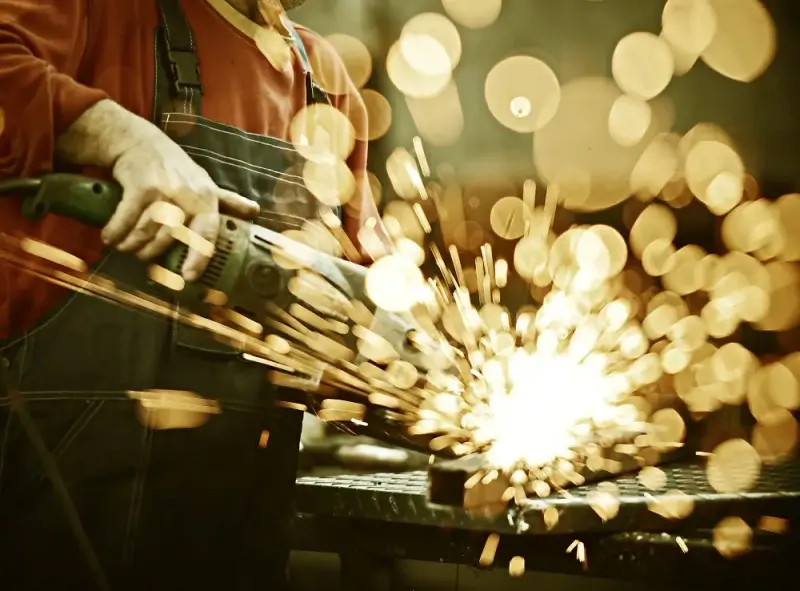
Fabricators are now using innovative CNC and laser cutting technology to accelerate design iteration. CNC and laser cutting machinery enable rapid tool changes and prototyping. This allows for ideas and designs to be quickly created, tested, and refined. Since CNC machines can operate around the clock, they reduce downtime and maximize efficiency. CNC and laser machinery are also remarkably precise, eliminating errors and meeting specifications with tight tolerances.
Design + Fabrication: Why Collaboration Matters Early On
Collaboration is often stressed in the later stages of metal fabrication. However, it’s crucial to begin collaboration at the blueprint stage for optimal outcomes. Solving problems early in the design process helps prevent costly adjustments in the fabrication stage. Here are a few more reasons early collaboration matters with any manufacturing project involving metal parts:
● Improved project efficiency
● Streamlined decision-making
● Reduced risk of project delays or failures
● Enhanced quality and safety
● Improved project satisfaction
Additionally, working with a fabrication partner who collaborates early on can improve project satisfaction for both you and your client base.
Turning Prototypes Into Scalable Production Efficiently
Transitioning from an initial prototype to full-scale production is one of the most critical stages of the metal fabrication process. The way you and your fabrication partner handle this stage can determine whether your product is a success or a failure. It’s not that big of a feat for most organizations to quickly develop a prototype. However, few are equipped to rapidly convert a prototype into a production-grade, scalable solution. That’s why it pays to work with a partner that offers faster prototyping.
Rapid prototyping facilitates speedier product execution than traditional tooling methods. It also allows for earlier design validation processes and uses scalable manufacturing processes. Teams can now assess usability, test key product features, and make necessary adjustments earlier in the process, before committing to large-scale production. This saves time and money while eliminating waste.
Reducing Errors With Integrated Fabrication Workflows
Rapid prototyping leverages integrated workflows to improve project speed and accuracy in metal fabrication. It also consolidates the various stages of fabrication into one streamlined process, reducing the likelihood of confusion or bottlenecks. Integrated systems allow for quick design changes and order volume adjustments. Best practices for metal fabrication process integration include:
● Mapping: This stage documents the entirety of the fabrication process. This is where teams can identify potential redundancies or flaws.
● Collaboration: Design, production, procurement, maintenance, and quality teams come together in collaboration to support holistic and efficient processes.
● Training and Education: Keeping employees up to date with industry innovations and skill development ensures smooth and effective workflows with reduced errors.
● Data Analytics: Analyzing production data reveals helpful trends that can support better decision-making and fabrication processes going forward.
Integrated fabrication workflows also improve traceability throughout each stage of the production process. This approach enhances quality, efficiency, and profitability while minimizing waste and simplifying collaboration. By leveraging integrated fabrication techniques, manufacturers can enhance productivity and reduce errors that could cost them money down the road. They can also automate repetitive tasks that would otherwise divert worker attention away from more critical responsibilities.
Conclusion
Rapid prototyping is revolutionizing modern manufacturing expectations and outcomes. It supports faster fabrication times, significant cost savings, and reduced material and time waste. If your manufacturing company is looking for ways to meet faster turnaround times, consider working with a fabrication partner that has faster prototyping capabilities.